
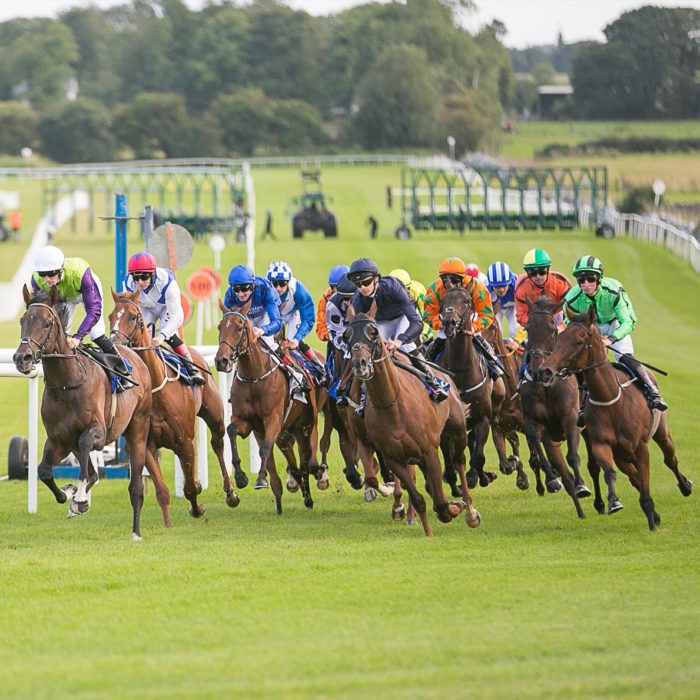
The Impact of Race Suspension on British Horse Racing
Horse racing has long been an essential part of British culture and heritage, captivating audiences with its breathtaking speed, majestic animals, and the thrill of wagering. However, there are occasions when scheduled races are not held due to a variety of factors, such as bad weather, health concerns, or other unexpected circumstances. This can significantly affect not just the participants but also fans and bookmakers. For those looking to place bets during these downtimes, British horse racing not on GamStop horse betting sites not on GamStop may provide alternative options. In this article, we’ll delve into the reasons behind race cancellations and their wider impact on the horse racing landscape.

The Reasons Behind Race Cancellations
Race cancellations in British horse racing can stem from numerous factors, including:
- Weather Conditions: British weather is notoriously unpredictable. Heavy rain, snow, or extreme heat can render tracks unsafe. In such cases, racing officials prioritize the safety of horses and jockeys, leading to cancellations.
- Health and Safety Protocols: Following outbreaks of equine illnesses or other health concerns, authorities may cancel events as a preventive measure. Ensuring the safety of both horses and riders is paramount.
- Track Maintenance: Sometimes, the racing surface may require maintenance, rendering it unsuitable for racing. Track conditions must meet specific standards for racing to take place.
- Logistical Challenges: Issues such as transport strikes or other unforeseen circumstances can disrupt the organization of events, leading to cancellations.
The Immediate Effects of Cancellation
When races are canceled, the immediate effect is the ripple effect it has through the racing community:
- Financial Loss: Horse owners, trainers, and jockeys lose potential earnings and sponsorship during canceled races. For bookmakers, cancellations lead to lost revenue and complicate financial forecasting.
- Impact on Betting: Bettors looking forward to a race find themselves disappointed and perhaps looking for alternative betting opportunities at other events or platforms.
- Fans’ Disappointment: Loyal fans often make arrangements to attend races, and cancellations can lead to frustration and disengagement.
Long-Term Implications
While some cancellations may be unavoidable, repeated disruptions can have long-lasting consequences:
- Strain on Relationships: Frequent cancellations could harm the relationships among racecourses, trainers, owners, and betting companies, potentially leading to a breakdown in communication.
- Trust Issues: Bettors may begin to lose faith in the integrity of the sport if they perceive there to be frequent cancellations without adequate explanations.
- Economic Impact: A sustained pattern of cancellations can contribute to economic decline in regions dependent on horse racing events for tourism and business.
Alternatives for Bettors
With the potential for race cancellations, bettors may find themselves looking for alternative platforms to place their wagers. This has led to a growing interest in horse betting sites not on GamStop, which provide bettors with additional options that may be less affected by traditional racing schedules.
These alternative sites often feature diverse offerings, including virtual races, international events, and other betting opportunities that can help fill the void left by canceled British races. However, it is essential for bettors to do their research, ensuring that these sites are reputable and provide responsible gaming options.
Conclusion
British horse racing remains a beloved pastime, but race cancellations can pose a serious threat to its vibrancy and sustainability. By understanding the factors that lead to these cancellations and their far-reaching implications, we can better appreciate the sport’s complexities. For those who love to bet on horse racing, exploring alternatives can help mitigate the disappointment of canceled events. The industry must continually adapt to these challenges to preserve its significance in British culture.